
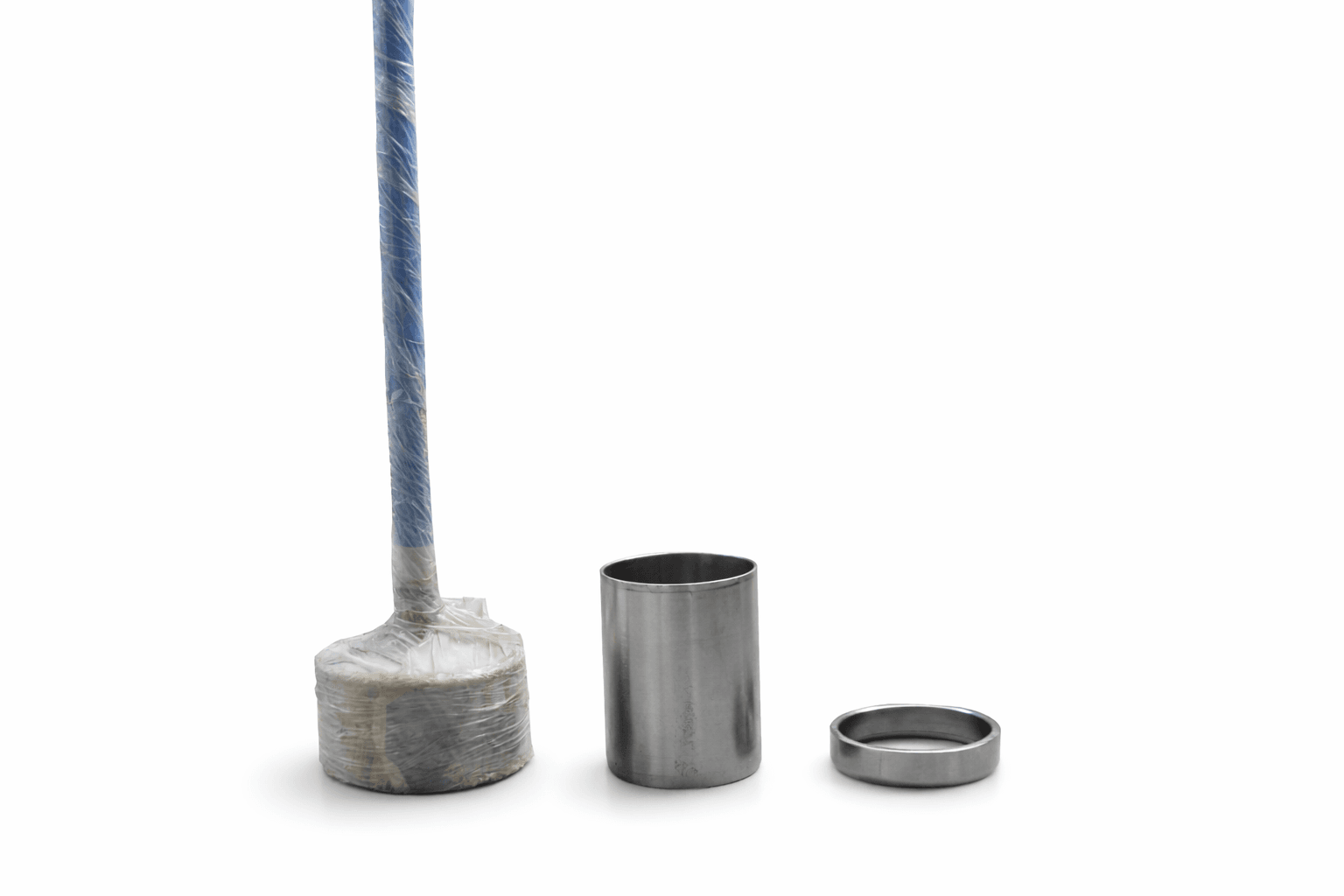
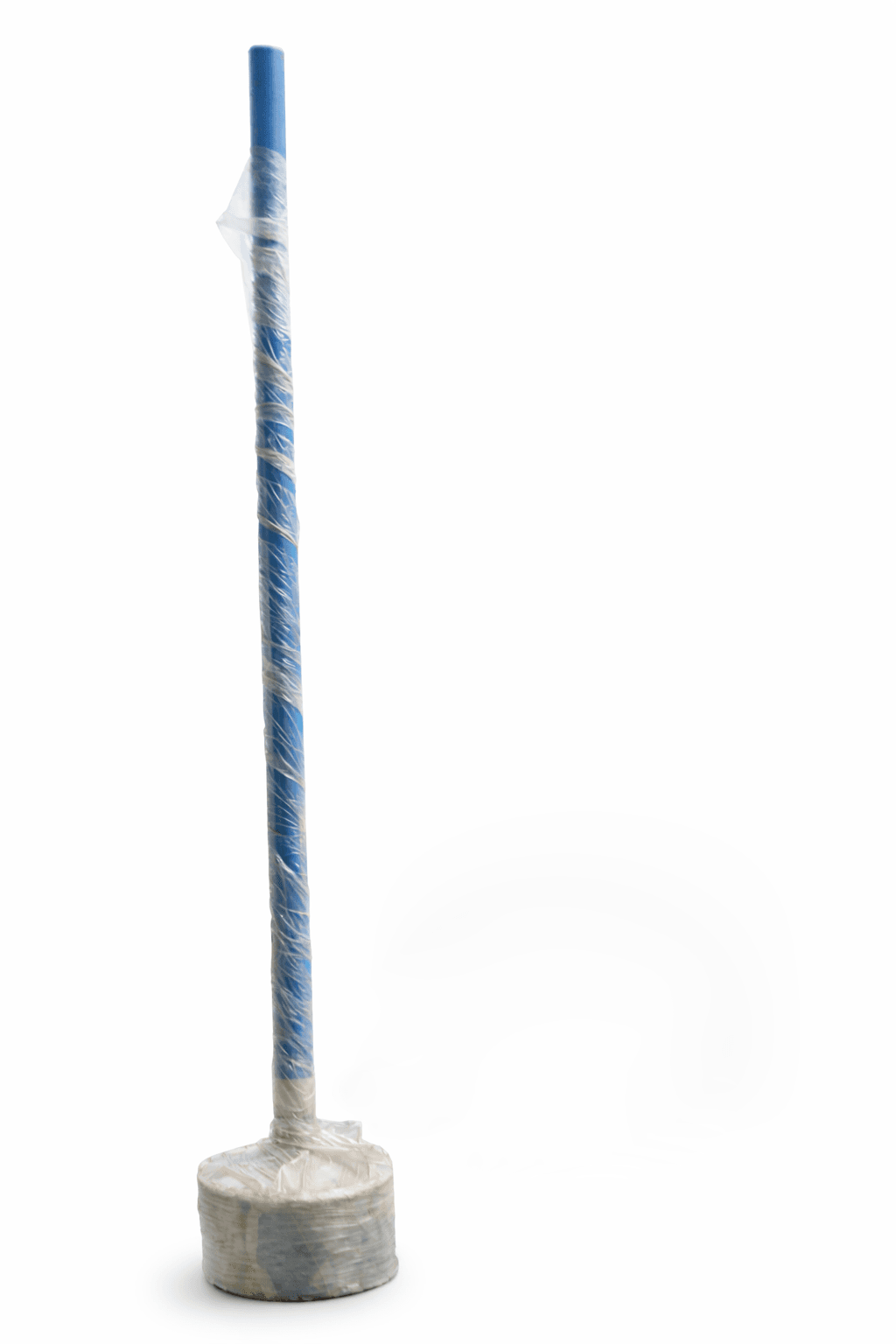
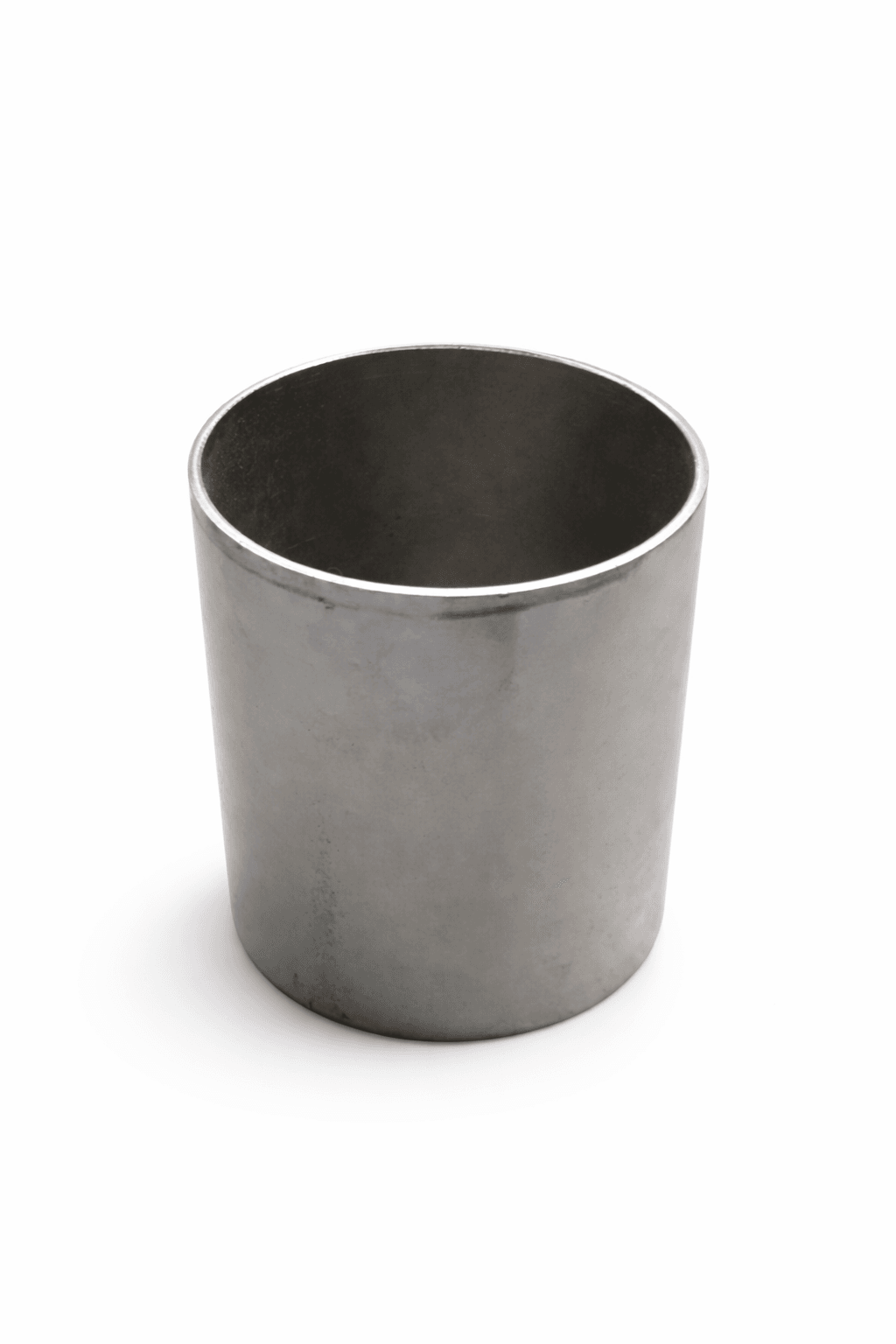
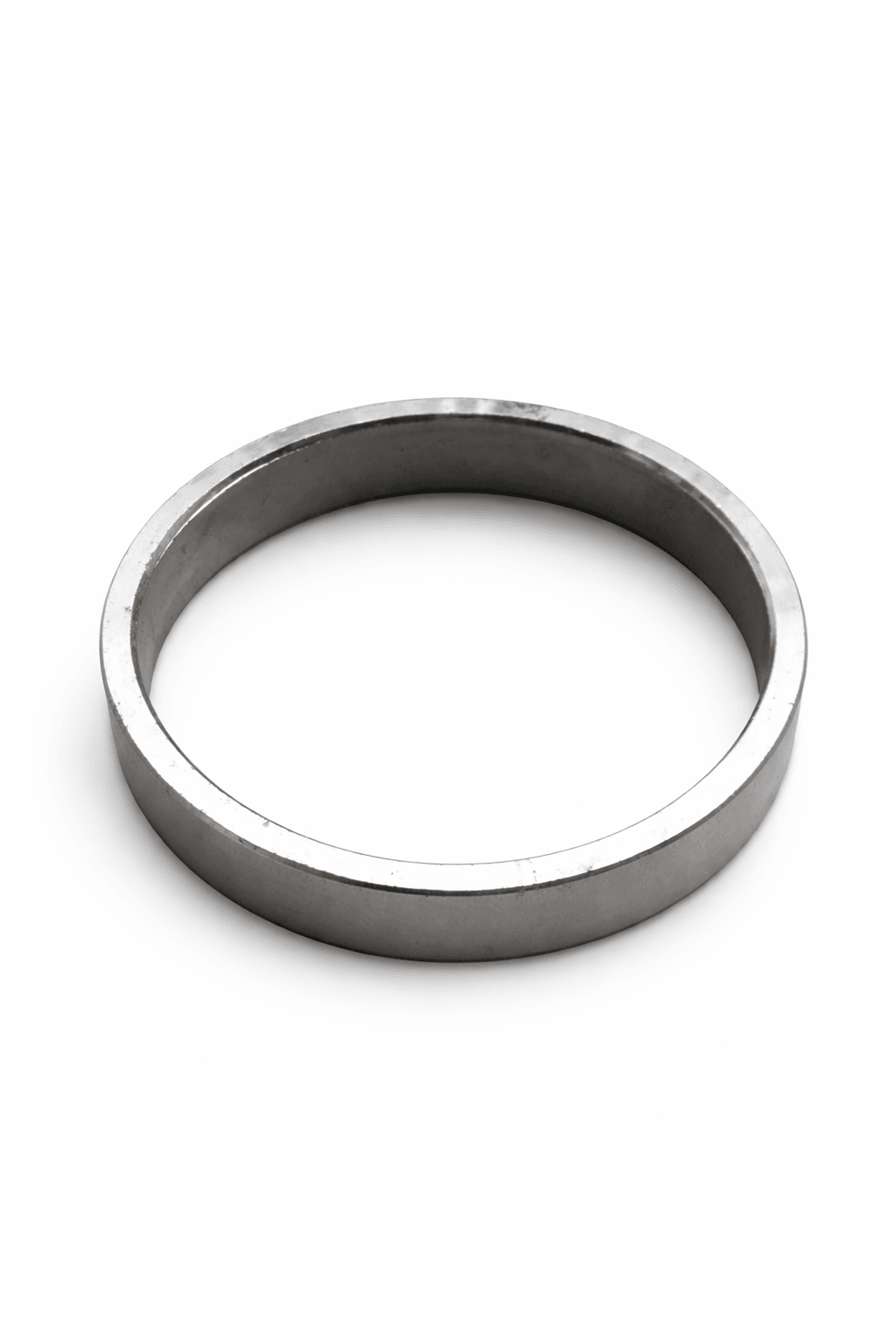
Waxcon Core Cutter Hammer
Waxcon Cutter Hammer is a specialized tool used in soil testing for field density determination and geotechnical investigations. It is commonly used in civil engineering laboratories and construction sites during soil compaction and density tests.
This equipment is typically used in the sand replacement test or field density test to drive the soil cutter into the ground for collecting soil samples. The hammer provides controlled impact force to ensure accurate penetration of the cutter into soil layers.
The robust construction ensures durability and reliability during repeated field use, making the Waxcon cutter hammer an essential tool for geotechnical engineers and soil testing laboratories.
Key Features
- Strong and durable construction
- Designed for soil cutter penetration
- Suitable for field density tests
- Reliable performance in soil testing
- Easy handling during site testing
- Ideal for civil engineering laboratories
Applications
- Field density test
- Sand replacement test
- Geotechnical soil testing
- Civil engineering laboratories
- Construction site soil investigation
Technical Specifications
| Product Name | Waxcon Cutter Hammer |
| Application | Soil Field Density Test |
| Usage | Soil Sample Extraction |
| Industry | Civil Engineering & Geotechnical Testing |
Why Use a Waxcon Cutter Hammer?
The Waxcon cutter hammer allows engineers to drive the soil cutter accurately into the ground during field density testing. This ensures proper soil sample extraction and reliable testing results for construction and soil investigation projects.
Frequently Asked Questions
What is a Waxcon cutter hammer used for?
It is used to drive soil cutters into the ground during field density and soil testing procedures.
Where is this equipment used?
It is used in civil engineering laboratories and construction site soil testing.
What test uses a soil cutter hammer?
The Waxcon cutter hammer is commonly used in field density tests and sand replacement tests.
Is this tool used in geotechnical testing?
Yes, it is widely used in geotechnical and soil testing investigations.